Thinking of installing tile in your Edmonton home, but stuck between porcelain and ceramic? These two materials might look similar, but they behave differently, and choosing the wrong one can leave you with regret (and maybe a few cracked tiles).
If you want tiles that are harder, denser, and better for Edmonton’s freeze-thaw climate, go with porcelain. If you’re tiling indoors on a budget and want something easier to install and cut, ceramic is a solid choice.
In this guide, we’ll break down the key differences between porcelain and ceramic tiles—covering durability, cost, moisture resistance, maintenance, and where each works best in your home. We’ve even included a comparison table to help you make the right call.
What’s the Difference Between Porcelain and Ceramic?
They’re both made from clay and fired in a kiln. But porcelain is made from finer, denser clay and fired at a much higher temperature. This makes it harder, heavier, and less porous than ceramic.
Ceramic tile is slightly softer and more absorbent, which can be a downside in wet or freezing areas—but a plus if you need to cut or shape tiles during installation.
Durability and Strength: Porcelain is Tougher, Plain and Simple
Edmonton gets cold. Really cold. And the last thing you want is tiles cracking from moisture expanding in a freeze. Porcelain’s density and low water absorption make it ideal for this kind of climate.
Ceramic? Not as tough. It can still last for years indoors, especially on walls or in low-traffic areas. But it chips more easily and doesn’t handle harsh conditions well.
Quick Tip: If you’re tiling a bathroom, kitchen floor, or outdoor patio, porcelain is your safest bet.
Moisture Resistance
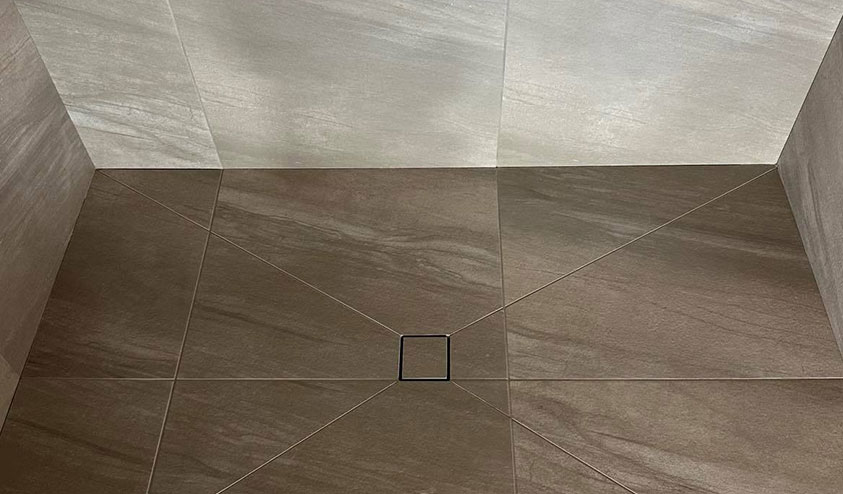
Porcelain wins here again. It absorbs less than 0.5% of water, so it’s perfect for high-moisture spots like:
- Shower floors
- Kitchen backsplashes
- Mudrooms
- Outdoor steps or walkways
Ceramic is more porous, so it’s best kept in dry indoor spots unless sealed properly.
In Edmonton’s climate, freeze-thaw cycles can ruin porous tile. That’s why moisture resistance isn’t just nice to have—it’s essential.
Cost and Installation
Ceramic tile is usually cheaper, both in terms of material and labor. It’s easier to cut and work with, so DIYers often choose it.
Porcelain can cost 20–40% more per square foot, and installers may charge more due to its hardness.
Here’s a simple cost breakdown:
| Feature | Porcelain Tile | Ceramic Tile |
| Material cost (avg) | Higher | Lower |
| Installation cost | Higher | Lower |
| Tools needed | Wet saw (diamond blade) | Basic tile cutter |
| Skill level | Advanced | Beginner to intermediate |
| Long-term durability | Very high | Moderate to high |
Appearance and Styles
Both tile types come in tons of styles, colors, and finishes. But porcelain can do more.
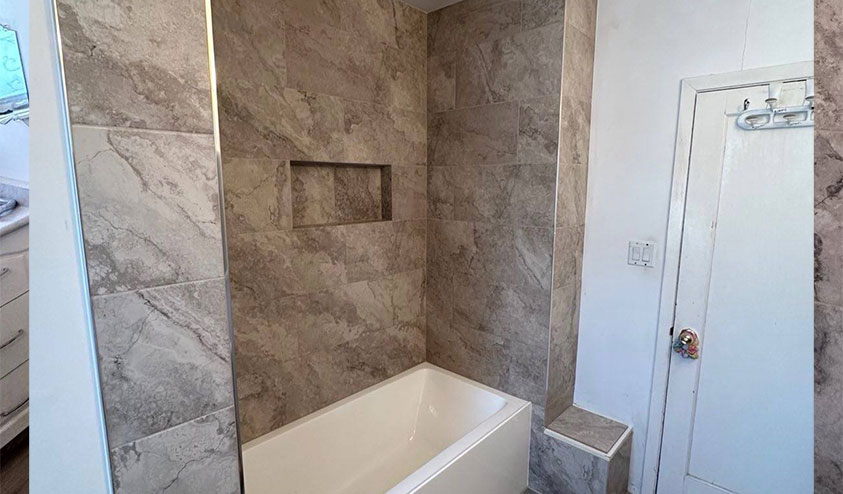
It’s often used to mimic natural stone or even wood with incredible detail. This makes it popular in modern or high-end designs.
Ceramic has a slightly more limited range but still offers plenty of design flexibility for most rooms.
If you want heated floors with a wood-look tile in your Edmonton basement, go with wood-look porcelain. It looks like real hardwood but handles moisture and cold like a champ.
Maintenance and Cleaning
Both tiles are easy to clean, but there’s a slight edge:
- Porcelain: Almost stain-proof. You can scrub it, mop it, and not worry.
- Ceramic: Still easy to clean, but the glaze can wear over time, and the surface can stain if it’s not sealed well.
Grout is the real issue in both cases—no matter what tile you choose, sealing your grout lines helps avoid future headaches.
Fact: Daily maintenance is the same: warm water, a mild detergent, and a mop. Avoid harsh chemicals—they can damage both tile and grout.
Where Each Tile Works Best In Your Home
Let’s break it down by area:
Porcelain – Best suited for:
- Outdoor patios
- Basement floors
- Kitchens (floor and backsplash)
- High-traffic hallways
- Laundry rooms
Ceramic – Best suited for:
- Bedroom floors
- Living room accent walls
- Indoor backsplashes
- Ceilings or light-duty areas
Avoid using ceramic tile outdoors in Edmonton. It’s too porous and may crack in the winter.
Conclusion
If you’re choosing between porcelain and ceramic tile for your Edmonton home, think about location, moisture, durability, and your budget.
Porcelain handles the cold, moisture, and foot traffic better—but it comes at a higher cost and is harder to install. Ceramic is more budget-friendly and works well indoors, where moisture isn’t a big problem.
In short:
- Use porcelain for durability, moisture-resistance, and outdoor use.
- Use ceramic if you want to save money, and it’s going in a dry, indoor area.